Recreational Vehicle Insurance
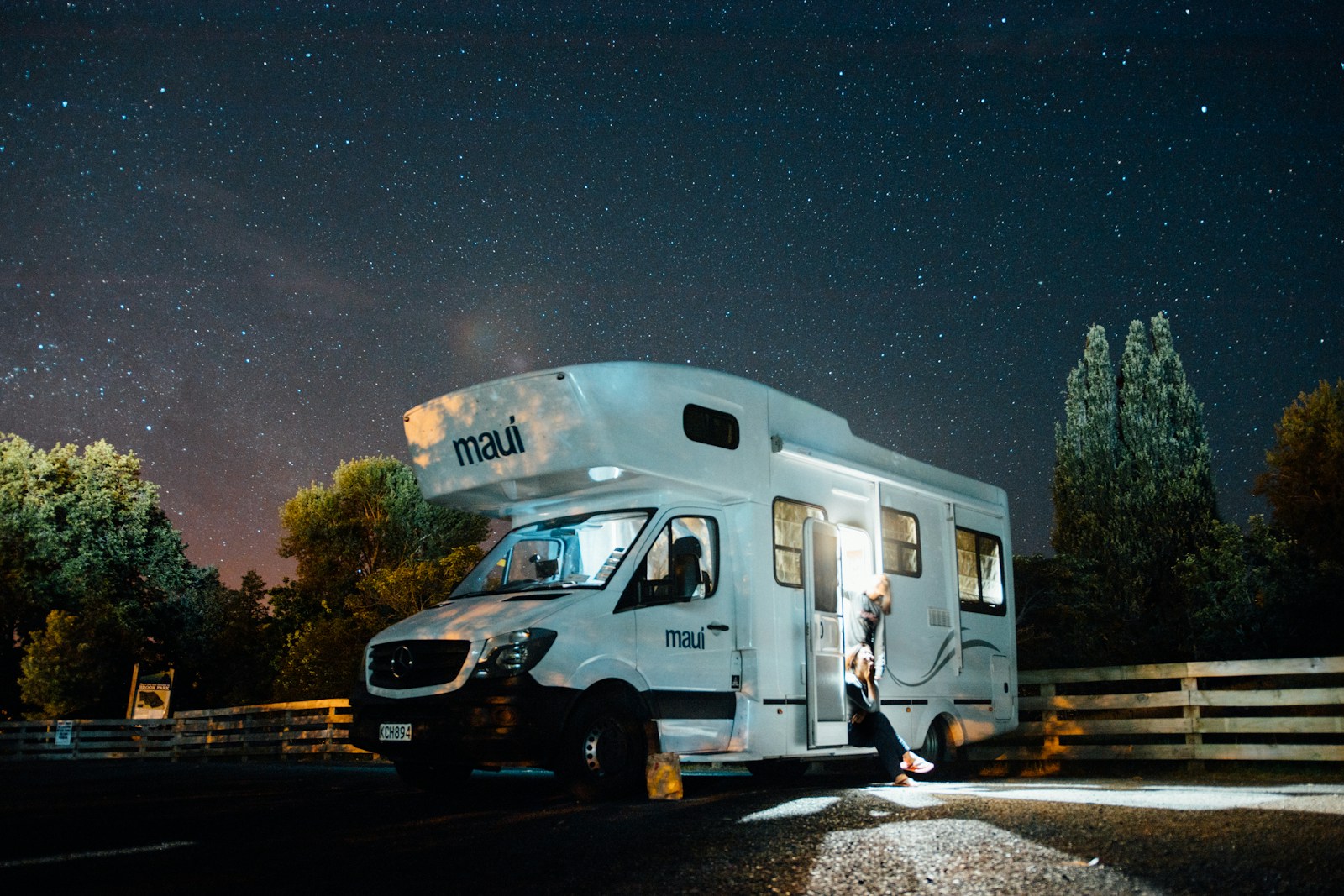 A recreational vehicle (RV) can be your ticket to exploring and enjoying the world and its vast wilderness. However, while campers, motorhomes and fifth-wheel trailers may enable various adventures, owning and operating them also entails significant risk. Like many automobiles, RVs must endure the dangers of the road. Still, these larger vehicles may also carry greater financial value than ordinary cars while also requiring owners to account for additional risks and exposures. This is why a Recreational Vehicle insurance is essential.
If you have any type of recreational vehicle, including a motorcycle, RV, boat, or off-road vehicle (e.g., all-terrain vehicle (ATC) or snowmobile), you’ll need to secure additional insurance to properly protect your investment. Determining what and how much coverage you need can be tricky, but that’s why we’re here to help. Contact us today to get started.
What is Recreational Vehicle Insurance?
Recreational vehicle insurance is a general term that refers to a variety of policies used to insure vehicles such as boats, motorcycles, RVs, ATVs and travel trailers. Each policy provides unique coverage. Talk to your agent today to discuss specific coverage you may need for your recreational vehicle.
What Does Recreational Vehicle Insurance Cover?
Recreational vehicle insurance helps provide a layer of protection against liability and property damages. Recreational vehicle insurance varies based on the type of vehicle you have. Talk to your agent to learn more about targeted coverage for:
- Off-road vehicles (e.g., ATVs, golf carts, and snowmobiles)
What Else Can My Policy Cover?
Exact coverage parameters may vary among policies, but RV insurance commonly includes the following financial securities:
- Bodily injury liability coverage is often legally required and can assist with other parties’ medical bills and financial losses should you be to blame for an accident.
- Property damage liability coverage can help manage third-party property losses for which you’re at fault, such as if you damage someone else’s vehicle or building.
- Collision coverage payouts can provide aid for repair or replacement costs if your RV is damaged in a crash, regardless of fault.
- Comprehensive coverage may also help pay for physical damage, including that caused by fires, severe weather and criminals.
- Uninsured/underinsured motorist coverage may offer aid if someone else is at fault for an accident but does not have insurance capable of covering your losses.
- Vacation/campsite liability coverage can extend liability coverage beyond incidents on the road, potentially paying for third-party losses occurring in or around your parked RV.
Is Recreational Vehicle Insurance Required?
Depending on the type of recreational vehicle you own and where you live, you may be legally required to obtain insurance for your vehicle. For example, most RV and motorcycle owners must secure at least the minimum auto insurance required of all drivers in their state of residence.
How Much Does RV Insurance Cost?
RV insurance premiums may vary significantly depending on your unique situation. Your deductible establishes an out-of-pocket minimum you contribute toward covered losses. A high deductible may help keep your rates lower, but you’d have to pay more at the time of a claim. Conversely, lower deductibles can spare you exceptionally high costs out of pocket but may increase your premiums. Insurance companies may also consider other factors, such as your location, vehicle details, driving records and claims history.
How to Get Recreational Vehicle Insurance
If you’re in need of a recreational vehicle insurance policy, we’re here to help. Contact Ugarte Insurance Agency today to learn more or receive a free quote.